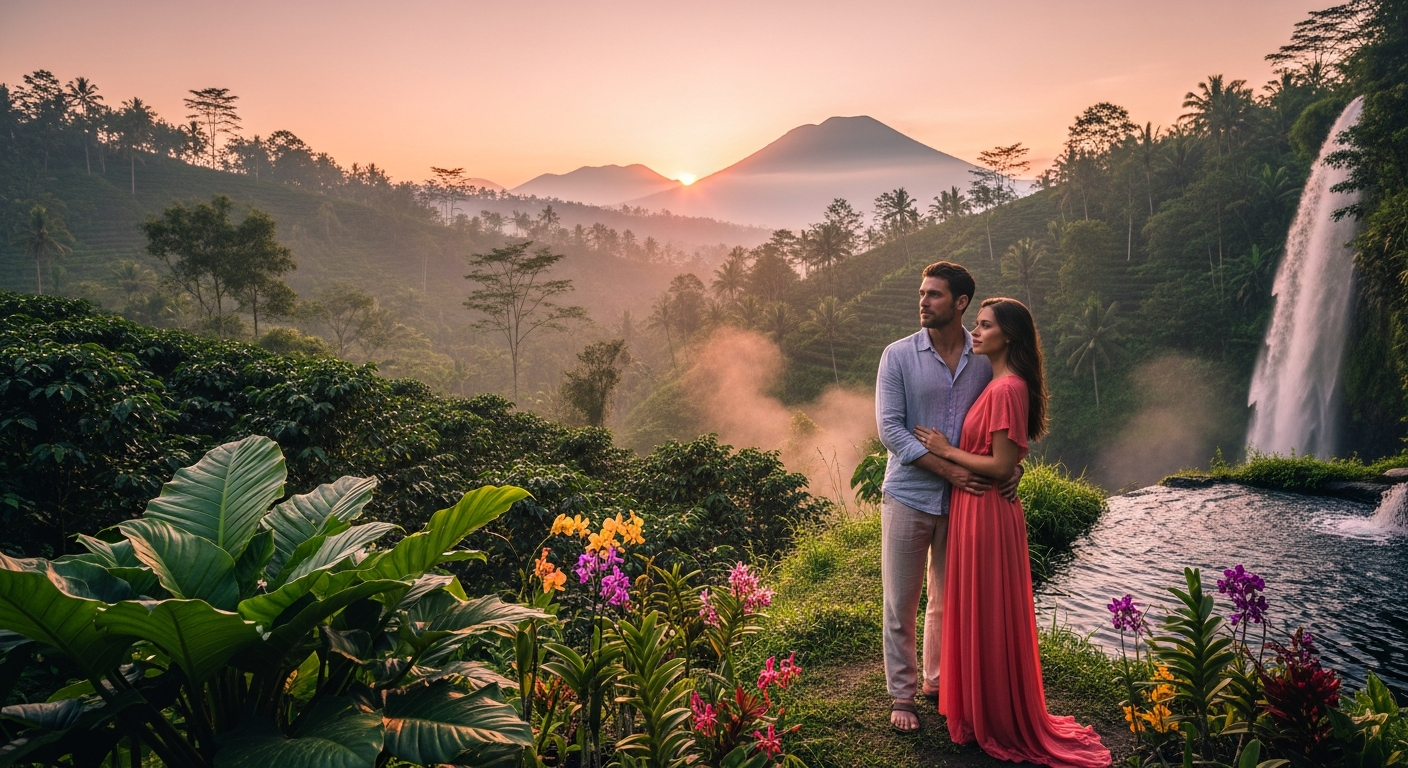
North Bali reveals itself as a tranquil counterpoint to the island’s southern energy, a region where volcanic peaks meet sapphire seas and ancient traditions resonate. Here, the rhythm shifts; mornings greet with ocean breezes, afternoons invite exploration, and evenings bring the gentle chorus of cicadas. This is a landscape where timing your arrival refines every encounter.
The Dry Season Zenith: April to October’s Clear Skies
The dry season, extending from April through October, represents North Bali’s quintessential period for visitation, offering consistently clear skies and low humidity. Average daytime temperatures hover around 28-32 degrees Celsius, with monthly rainfall typically registering below 50mm, a stark contrast to the wet season’s downpours. This stable climate is paramount for activities along the coastline from Lovina to Pemuteran. In Lovina, early morning dolphin watch tours commence daily at 6 AM, with local jukung boats departing from the black sand beaches. The calm waters provide exceptional visibility for spotting pods of spinner dolphins, often numbering in the hundreds. Further west, Pemuteran transforms into a diver’s sanctuary. Visibility around Menjangan Island, a core component of West Bali National Park, frequently exceeds 25 meters, revealing vibrant coral gardens and a diverse marine ecosystem. This protected marine area, established in 1983, harbors over 110 species of coral and more than 200 species of fish. Trekking through Munduk’s highlands also reaches its peak during these months. Trails leading to waterfalls like Sekumpul and Gitgit, some descending over 200 steps, remain dry and easily navigable. Coffee plantations, particularly the Arabica varieties cultivated at elevations above 900 meters, flourish under the sun, with harvesting typically occurring between May and July. Resort occupancy rates across North Bali average 70-85% during these months, reflecting the popularity of this period. For those seeking active engagement with North Bali’s natural splendor, the dry season offers an window of opportunity.
Shoulder Season Serenity: April, May, September, October’s Balanced Charm
The shoulder seasons—specifically April, May, September, and October—present a nuanced alternative to the peak dry months, offering a compelling blend of agreeable weather and a more intimate atmosphere. During these transitional periods, the heavy tourist influx experienced in July and August begins to recede or has yet to fully materialize, leading to more competitive rates for luxury accommodations, sometimes a 10-20% reduction from peak season prices. Average daily sunshine hours remain robust, often exceeding 8 hours, while the sporadic, short-lived afternoon showers that might occur are typically refreshing rather than disruptive. April and May signal the gentle conclusion of the wet season, leaving the landscapes vibrantly green and the air feeling crisp. Waterfalls in Munduk, such as Banyumala Twin Waterfalls, continue to flow powerfully, yet the access paths are largely dry. September and October mark the transition back towards the wet season, but generally maintain excellent conditions for most outdoor pursuits. Ocean conditions in Pemuteran remain superb for snorkeling and diving, with water temperatures consistently around 27 degrees Celsius. Cultural excursions to Singaraja, the former Dutch colonial capital, are also particularly pleasant. Exploring sites like the Gedong Kirtya manuscript library, founded in 1928 and housing thousands of ancient Lontar texts, or the bustling Pasar Anyar market, is less crowded, allowing for deeper engagement. This period allows visitors to experience North Bali’s renowned tranquility with enhanced privacy, making it ideal for honeymoon couples or those seeking a quiet wellness retreat before the full onset of the monsoon.
Wet Season Vibrancy: November to March’s Emerald Landscapes
From November to March, North Bali embraces its wet season, transforming into a canvas of vivid greens and dramatic skies. While the term “wet season” might evoke images of incessant rain, the reality often involves intense, localized downpours that typically last for an hour or two, frequently in the late afternoon, leaving the mornings and early afternoons clear and bright. Average monthly rainfall can reach 200-300mm, but these are often concentrated events. The air temperature cools slightly, averaging 26-29 degrees Celsius, and humidity increases, which invigorates the natural environment. Waterfalls throughout Munduk and near Singaraja reach their most spectacular flow, cascading with impressive force. Sekumpul Waterfall, a complex of seven distinct cascades, is particularly majestic, its roaring waters creating a misty, ethereal atmosphere. Rice paddies, irrigated by the ancient Subak system—a UNESCO World Heritage cultural landscape since 2012—glisten under the intermittent sun, displaying their most vibrant emerald hues. This season is also prime for experiencing the island’s agricultural heartland; the aroma of cloves and coffee blossoms often perfumes the air. While marine activities might experience occasional disruptions due to stronger currents or reduced visibility closer to shore, diving around Menjangan Island often remains viable, as its protected bay offers some shelter. For those prioritizing lush landscapes, dramatic cloud formations, and a truly introspective journey, the wet season offers a unique perspective on North Bali’s profound natural beauty, with significantly fewer tourists and often more attractive accommodation prices, sometimes 20-30% lower than peak dry season rates.
Diving and Marine Life: Year-Round Revelations
North Bali’s underwater realm presents compelling opportunities for divers and snorkelers throughout the year, with each season offering distinct advantages. The dry season (April-October) is widely regarded as optimal due to consistently high visibility, often exceeding 25 meters, and calm surface conditions, particularly around Menjangan Island. This period is ideal for exploring the vibrant coral reefs, encountering reef sharks, turtles, and an abundance of tropical fish. Menjangan Island, part of West Bali National Park, boasts renowned dive sites such as Coral Garden and Eel Garden, known for their diverse hard and soft corals. However, the wet season (November-March) also holds unique appeal for the discerning marine enthusiast. While coastal visibility might occasionally be reduced by runoff, the cooler water temperatures sometimes attract pelagic species closer to shore. Furthermore, the BioRock project in Pemuteran, an innovative coral restoration initiative established in 2000, thrives year-round, offering an accessible and fascinating dive experience regardless of the season. Its submerged metal structures, powered by low-voltage electricity, accelerate coral growth by 3-5 times compared to natural rates. Along the east coast, Amed offers spectacular muck diving and wreck diving, including the Japanese Shipwreck, resting at depths between 2 and 12 meters, making it accessible for snorkelers and beginner divers alike. The USAT Liberty shipwreck in Tulamben, a short drive from Amed, provides an even grander spectacle, lying just 30 meters offshore. Even during periods of higher rainfall, dedicated dive operators in Pemuteran and Amed maintain daily departures, adapting schedules to local conditions and ensuring safe, rewarding underwater explorations.
Cultural Calendars and Local Festivities: Timing Your Immersion
Aligning your visit with North Bali’s rich cultural calendar offers an depth of experience, often transcending seasonal weather patterns. Balinese Hinduism dictates a vibrant cycle of ceremonies and festivals, many of which follow the 210-day Pawukon calendar, meaning their dates shift annually relative to the Gregorian calendar. Two of the most significant are Galungan and Kuningan. Galungan celebrates the triumph of dharma (good) over adharma (evil), marked by intricate penjor decorations gracing every roadside, often reaching heights of 8-10 meters. Kuningan, 10 days later, signifies the return of the spirits to the heavens. While these festivals are observed island-wide, experiencing them in the quieter villages of North Bali, away from the southern crowds, offers a more authentic and intimate perspective. Nyepi, the Balinese Day of Silence, is another pivotal event, typically falling in March or April. For 24 hours, the entire island observes silence, fasting, and meditation, with no lights, no travel, and no work. This offers a profound, if restrictive, cultural immersion. Prior to Nyepi, the Melasti ceremony sees villagers, often hundreds strong, processing to the nearest ocean or water source for purification rituals, a truly photogenic and spiritual spectacle. Singaraja, with its historical significance as the former colonial capital, hosts various local celebrations. Its annual Buleleng Festival, typically held in August, showcases traditional arts, music, and culinary delights from the region, attracting thousands of local and international visitors. Visitors should check specific dates for these festivals well in advance, as they can influence travel logistics and offer unique windows into Balinese life. For instance, during Nyepi, Ngurah Rai International Airport (DPS) closes for 24 hours.
Wellness and Retreats: Synchronizing with Inner Rhythms
North Bali’s inherent tranquility and natural abundance create an ideal environment for wellness and spiritual retreats, an appeal that remains potent across all seasons. The region’s slower pace, away from the commercial intensity of the south, fosters a profound sense of calm, conducive to practices like yoga, meditation, and holistic healing. During the dry season (April-October), the consistent sunshine and pleasant temperatures invite outdoor yoga sessions overlooking the ocean in Lovina or amidst the rice paddies of Munduk. Many retreats incorporate trekking to waterfalls or sunrise meditations on nearby hills, activities enhanced by the stable weather. The wet season (November-March), with its cooler air and lush, rain-kissed landscapes, lends itself to more introspective and indoor-focused wellness journeys. The sound of rain on a villa roof often deepens meditation, and the verdant surroundings amplify the sense of renewal. Detox programs, Ayurvedic treatments, and traditional Balinese healing practices, such as Balinese massage or Jamu herbal remedies, are offered year-round by various specialized centers and luxury resorts. The region boasts several dedicated yoga shalas and meditation centers, some operating since the early 2000s, offering multi-day programs. The quietude of places like Tejakula on the east coast, with its gentle coastline and spiritual ambiance, attracts a discerning clientele seeking deep relaxation and personal growth. Whether seeking a vigorous outdoor adventure or a serene indoor sanctuary, North Bali’s diverse microclimates and spiritual grounding cater to a wide spectrum of wellness aspirations, allowing visitors to align their retreat experience with their personal preferences for climate and atmosphere.
North Bali’s allure extends beyond a singular season; it is a destination that adapts and reveals its distinct character throughout the year. From the sun-drenched days perfect for diving in Pemuteran or dolphin watching in Lovina, to the emerald vibrancy of Munduk’s waterfalls during the wet season, each period offers a unique lens through which to appreciate this serene corner of the island. Understanding these seasonal nuances allows for a more tailored and enriching journey.
Discover the ideal time for your personal North Bali escape and explore the exquisite accommodations awaiting you. Browse our collection of luxury resorts and villas and begin planning your bespoke journey to this extraordinary region at northbaliresorts.com. For more insights into local activities and experiences, visit our blog.